Teen Patti Master Game: Common Mistakes Beginners Should Avoid
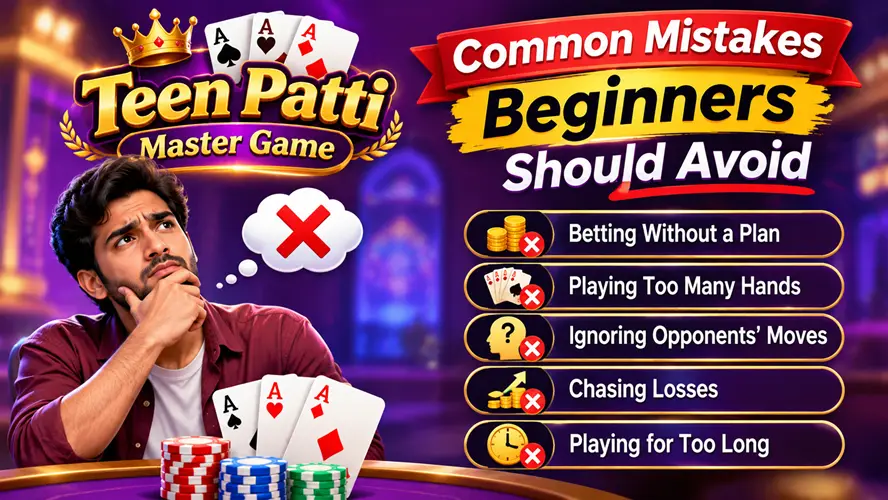
Nobody starts out as a good Teen Patti player. Everyone has folded a winning hand, chased a losing one, or raised with great confidence only to see a trail on the other side of the table. Mistakes are part of learning. But some are so common, and so costly, that it helps to know about them before you make them yourself. This guide covers the errors beginners make most often in online Teen Patti, why they happen, and what to do instead.
Mistake 1: Not Knowing the Hand Rankings Cold
It sounds obvious, but many new players still check the rankings mid-hand, or worse, guess. When a timer is running and chips are on the line, hesitation leads to bad calls.
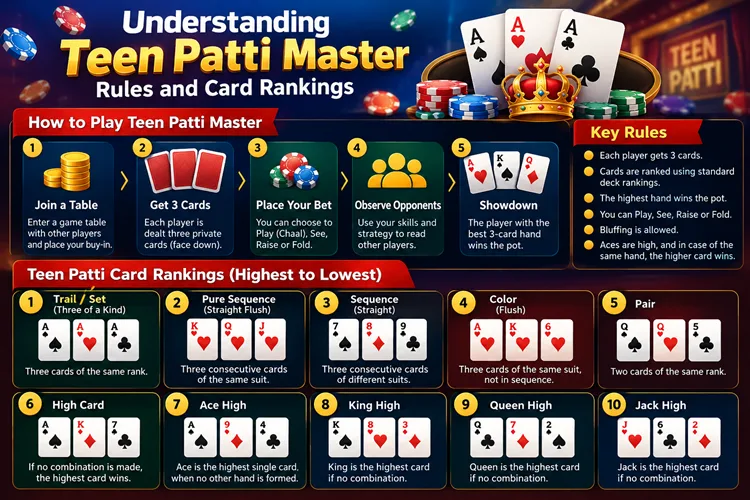
The fix: Memorize the order before you play for anything that matters: Trail, Pure Sequence, Sequence, Color, Pair, High Card. Say it aloud a few times. Then use free practice tables until naming your hand becomes automatic. A useful detail: a Pure Sequence is actually slightly rarer than a Trail, yet Trail still ranks higher by convention, so don’t try to reason the order out from rarity alone. Just learn it.
Mistake 2: Playing Too Many Hands
Excitement makes beginners want to stay in every round. But roughly three out of four hands you’re dealt will be a plain high card. Playing all of them drains your chips quickly.
The fix: Fold weak hands without guilt. Packing early is not cowardice. It’s the cheapest decision you can make, and it keeps your stack alive for the hands that deserve it.
Mistake 3: Playing Blind Too Soon
Blind play is tempting. It’s cheaper per bet, it looks bold, and it can confuse opponents. But you’re betting without knowing your cards, and a beginner who doesn’t yet understand the betting structure can lose a lot very quickly.
The fix: Play seen while you learn. Once you understand how stakes scale between blind and seen play, you can experiment with blind betting in small, deliberate doses.
Mistake 4: Chasing Lost Chips
This is the big one. You lose a few rounds, feel annoyed, and start raising bigger to win it back. Usually, you lose even more.
The fix: Remember that chips already in the pot are gone whether you stay or fold. The only useful question is whether the next bet is worth making on its own merits. And if you’ve reached your budget for the day, stop. Winning back losses is not a strategy.
Mistake 5: Skipping the Budget and Time Limit
Online rounds are fast, chips are just numbers, and an hour can pass without you noticing. Beginners often log in with no plan and discover afterward that they spent far more time or money than intended.
The fix: Before you open the app, decide two things: how much you’re willing to spend (an amount you could lose without affecting bills or savings) and how long you’ll play. Set a phone timer. Treat any spending as the cost of entertainment, like a movie ticket, never as a way to earn money.
Mistake 6: Bluffing Constantly
Bluffing is one of Teen Patti’s great joys, so new players tend to overdo it. But a bluff works because it’s unexpected. If you raise on every hand, observant players will notice and call you down.
The fix: Bluff rarely and with a reason. Make it consistent with how you’ve been betting, and pay attention to who is likely to fold. Some players never fold to a bluff, and bluffing them is just paying for the privilege.
Mistake 7: Overvaluing a Pair or a Color
A pair feels good, and a Color feels great. But both can lose to something better, and a hand’s strength depends on what the table is doing. If a cautious opponent suddenly raises twice, a pair of Sixes may be in trouble.
The fix: Rank your hand, then rank the situation. Ask what your opponent’s bets suggest, and be willing to fold decent hands when the evidence says you’re beaten.
Mistake 8: Ignoring Opponents’ Behavior
You can’t see faces online, so many beginners assume there’s nothing to read. In fact, there’s plenty: how quickly someone acts, how often they play blind, when they fold, how their bets change.
The fix: Pick one or two habits to watch per session. Over time you’ll recognize cautious players, loose players and bluffers. This is the skill that separates steady players from lucky ones.
Mistake 9: Misusing Show and Side Show
Requesting a show too early, or asking for a side show without thinking, can cost you chips or hand useful information to an opponent. Remember that side shows only work between seen players and the other player can usually refuse.
The fix: Learn exactly how shows and side shows work on your app, including who pays and how ties are handled. Rules vary between platforms, so read the table details.
Mistake 10: Not Reading the Mode Rules
Many apps offer Muflis, Joker, AK47, Best of Four and other modes. A hand that’s strong in classic play may be ordinary in a wild-card mode, and in Muflis the lowest hand wins.
The fix: Read the rules for every mode before you sit down. Start with classic Teen Patti and add variations one at a time.
Mistake 11: Being Careless With Security
Beginners sometimes download apps from random links, share OTPs with someone claiming to be “support,” or trust offers that sound too good to be true.
The fix: Download only from official sources, read the terms around payments and withdrawals, and never share passwords, OTPs or card details with anyone. For account or payment problems, use the app’s official support channel. Independent guides can’t access your account.
Mistake 12: Forgetting It’s Supposed to Be Fun
When a game becomes a source of stress, something has gone wrong. Warning signs include borrowing to play, hiding your activity, feeling anxious when you can’t play, or using the game to escape problems.
The fix: Take a break and talk to someone you trust. Our Responsible Gaming page has more guidance. Remember too that players must be 18 or older, and that laws on online card games, especially real-money play, vary by country and state, so check your local rules.
Final Thoughts
Almost every beginner mistake comes down to the same few causes: rushing, emotion, and lack of preparation. Learn the rankings, fold more often, keep your budget firm, practice before raising stakes, and read the room before you bluff. You’ll still make errors, everyone does, but they’ll be smaller, cheaper and easier to learn from.
Frequently Asked Questions
What is the most common beginner mistake in Teen Patti?
Playing too many hands. Most hands are weak, and staying in with them drains chips quickly. Folding is a normal, smart part of the game.
Should beginners play blind?
It’s usually better to play seen until you understand the betting structure. Blind play is cheaper but riskier because you don’t know your hand.
How do I stop chasing losses?
Set a budget before you play and stop when you reach it. Remind yourself that chips already bet are gone, and take a break after a bad run.
How often should I bluff?
Rarely. A bluff works because it surprises opponents. If you do it too often, experienced players will catch on.
Is a pair a strong hand?
It can be, but it’s not dominant. A pair is common enough that it often loses to a sequence, color or trail, so judge it against opponents’ betting.
Why do I keep losing at higher-stake tables?
Higher tables usually have more experienced players, and mistakes cost more. Build skill at lower stakes first and move up gradually.
Do rules change between game modes?
Yes. Modes like Muflis, Joker and AK47 change rankings or add wild cards. Always read the mode rules before joining a table.
How can I keep my account safe?
Download from official sources, never share OTPs or passwords, and use only the app’s official support channel for problems.
What if the game stops being fun?
Take a break and speak to someone you trust. If gaming is affecting your finances, mood or relationships, consider seeking professional support.
Is online Teen Patti legal?
It depends on where you live. Rules vary widely, so check your local regulations before playing.