Teen Patti Master Online Game Tips for New Players
Most advice about Teen Patti falls into two camps: tips so obvious they don’t help (“don’t lose”) and tips so clever they only work if you already play well. This guide aims for the middle. These are practical habits that new players can start using in their very first session, based on how the game actually works online. None of them guarantees a win, because luck decides the cards. But they can help you make steadier decisions, avoid the most expensive beginner errors, and enjoy the game more.
Before You Play
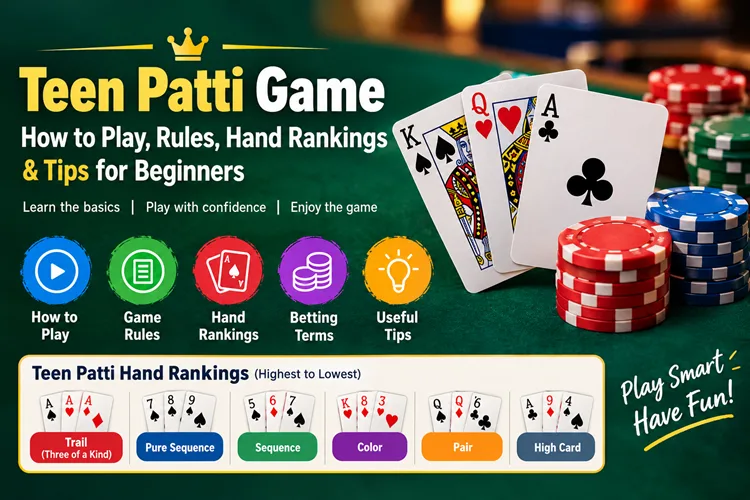
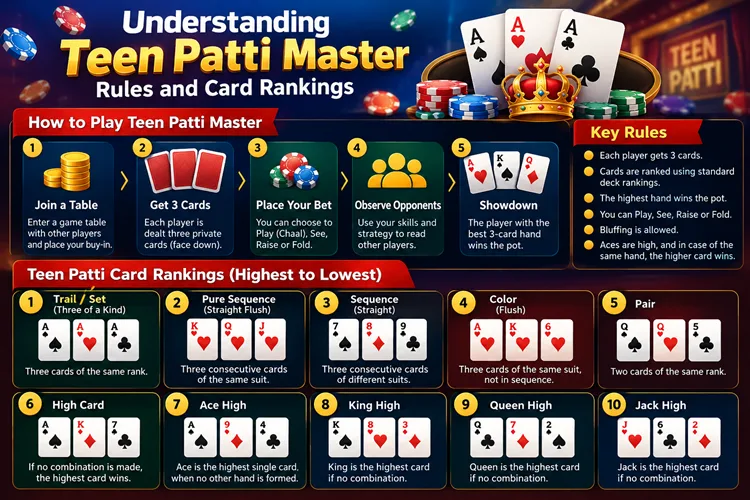
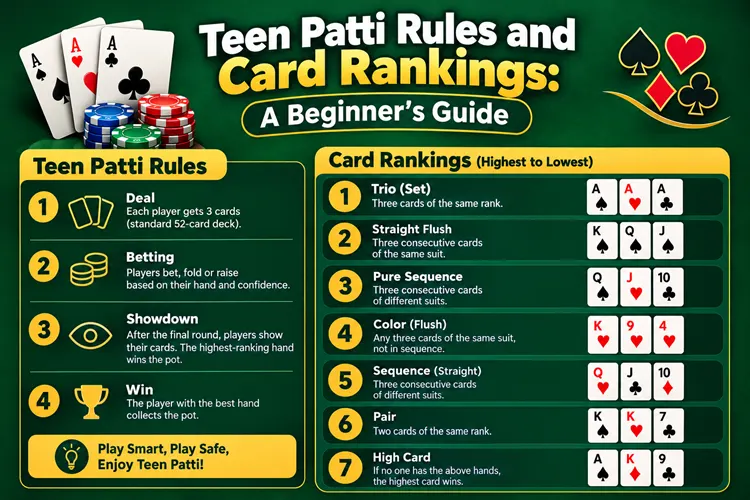
Learn the rankings until they’re automatic. The order is Trail, Pure Sequence, Sequence, Color, Pair, High Card. Online turns are timed, so you don’t want to be searching for the chart while the clock runs down. Say the list out loud a few times, and use free tables to practice naming your hand the moment you see it.
Decide your budget and time limit first. This is the most valuable tip in the whole article. Pick an amount you could lose without it affecting your bills, savings or mood, and pick a stopping time. Set a phone alarm. Chips on a screen feel less real than cash, and online rounds are fast, so a “quick game” can easily swallow an evening.
Start at practice or low-stake tables. Higher tables tend to have more experienced players, and mistakes cost more. Treat your first sessions as lessons, not contests.
Check the mode rules. Classic Teen Patti, Muflis, Joker and AK47 all play differently. In Muflis, the lowest hand wins. In wild-card modes, strong hands are much more common. Read a mode’s rules before you sit down.
Tips for Your Hand Selection
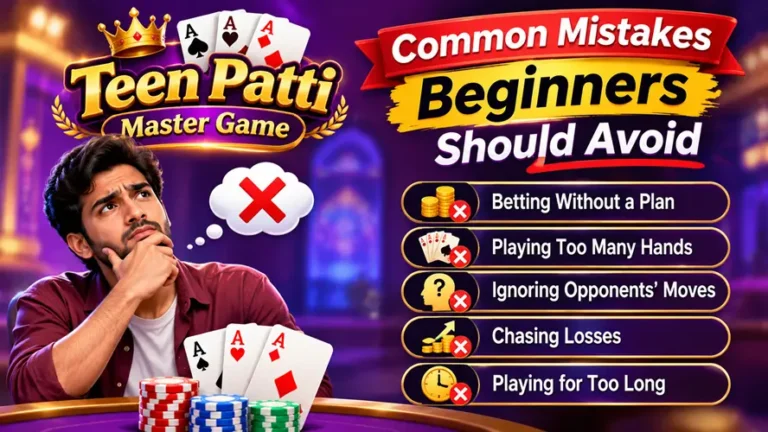
Fold more than feels natural. Here’s a number worth remembering: about three out of every four three-card hands are just a high card. That means most of what you’re dealt will be weak. New players tend to stay in because folding feels like giving up, but it’s the cheapest decision available. Patient players who fold often and bet on the hands that deserve it usually outlast eager ones.
Don’t fall in love with a pair. Pairs make up roughly 17% of hands, so they’re common and often lose to a sequence, color or trail. A pair of Kings is a respectable hand. A pair of Fives facing two big raises is a question mark.
Treat earlier bets as gone. Money already in the pot is spent, whether you stay or fold. The only useful question is whether the next bet is worth making by itself. If the answer is no, pack.
Tips for Blind and Seen Play
Play seen while you learn. Blind bets cost less, which makes them tempting, but you’re gambling without information. Until you’re comfortable with how stakes scale, look at your cards.
Use blind play deliberately, not impulsively. Once you understand the betting structure, a blind bet can be a cheap way to stay in a round or to project confidence. It should be a choice, not a habit born of impatience. Remember that once you look at your cards, you can’t switch back to blind.
Tips for Betting and Bluffing
Bluff rarely. A bluff works because it’s unexpected. If you raise on every hand, observant players will learn to call you. A good bluff fits the story your earlier bets have told, and it targets players who are likely to fold.
Don’t bluff people who never fold. Some players call every bet. Bluffing them just donates chips. Save your bluffs for cautious opponents.
Be careful with raises. A raise shifts the pot size and the pressure. Raise when you have a reason: a strong hand, or a believable bluff against a likely folder. Raising out of boredom or frustration is one of the quickest ways to lose chips.
Mind the timer. Many apps auto-fold you if you take too long. At low-stake tables, practice making decisions within the time limit so a slow tap doesn’t cost you a good hand.
Tips for Reading Opponents
You can’t see faces online, but you can see behavior. A few easy things to watch:
- Speed. Someone who bets instantly every time may be playing on autopilot. Someone who suddenly pauses may be wrestling with a decision, or acting.
- Blind frequency. Players who constantly play blind are either bold or careless. Either way, they’re less predictable.
- Folding patterns. If a player folds at the first raise, they’re likely cautious. If they never fold, think twice before bluffing.
- Changes in behavior. Pay attention when someone breaks their own pattern, such as a normally cautious player making a big raise.
Don’t try to track everything at once. Choose one or two habits per session and build from there.
Tips for Show and Side Show
Understand the costs. Who pays for a show, and how ties are resolved, can differ between apps. Read the table details so you aren’t surprised mid-hand.
Use side shows thoughtfully. A side show is a private comparison between two seen players, and the other player can often refuse. It can save chips, but it also reveals information. Don’t request one automatically.
Tips for Staying in Control
Never chase losses. If you lose your budget for the day, stop. Raising stakes to win it back is a classic way to turn a small loss into a large one.
Take breaks. Stand up, stretch, drink water. A short break clears your head and interrupts the “just one more round” loop.
Don’t play when you’re upset, tired or distracted. Emotion makes impulsive bets more likely.
Treat bonuses as extras. Welcome offers and daily rewards can be nice, but read the conditions first, and never let them push you to play longer or spend more than planned.
Keep it fun. If you feel anxious, hide your play from others, borrow money to play, or use the game to escape stress, take a break and talk to someone you trust. Our Responsible Gaming page has more guidance.
Tips for Staying Safe
- Download only from official sources, not from links shared in chat groups or social posts.
- Read the terms on payments, withdrawals and bonuses.
- Never share your OTP, password or card details, even with someone claiming to be support.
- Use the app’s official support for account problems. Independent guides can’t access your account.
- Check your local laws. Rules about online card games, especially real-money play, vary by country and state. Players must be 18 or older.
Final Thoughts
Good Teen Patti habits are mostly about restraint: folding weak hands, bluffing sparingly, watching opponents, and keeping your limits firm. None of them makes you unbeatable, since luck will always have its say, but together they make you a steadier, more confident player who enjoys the game for longer. Start small, stay patient, and let experience do the rest.
Frequently Asked Questions
What is the best tip for a new Teen Patti player?
Set a budget and time limit before you play, and learn the hand rankings. These two habits protect you from the most common and costly mistakes.
Should I play every hand?
No. About three-quarters of hands are just a high card, so playing them all drains your chips quickly. Folding weak hands is a normal and smart part of the game.
Is it better to play blind or seen as a beginner?
Seen. It costs more per bet, but you’ll know what you’re holding. Blind play is better saved until you understand the betting structure.
How often should I bluff?
Rarely. A bluff works because it surprises opponents. Overusing it makes you easy to read, and some players never fold to a bluff anyway.
Is a pair a good hand?
It’s decent but not dominant. Pairs appear about 17% of the time and can lose to sequences, colors and trails, so judge them against the betting around you.
How do I read opponents when I can’t see them?
Watch their behavior: how fast they act, how often they play blind, when they fold, and whether their pattern suddenly changes.
What should I do after a losing streak?
Take a break. Don’t raise your bets to recover losses. If you’ve reached your budget for the day, stop and come back another time.
Can I practice without spending money?
Yes. Many apps offer free chips or practice tables, which are ideal for learning the interface and the rhythm of the game.
How do I keep my account safe?
Use official downloads, never share OTPs or passwords, and contact only the app’s official support for account issues.
Is online Teen Patti legal?
That depends on your location. Laws vary, particularly for real-money play, so check your local regulations before you begin.